I am a professor and scholar of history. I bring a quest for knowledge and an interest in collegial collaboration
to environments with which I am affiliated. In my scholarly endeavors, I present my research findings and
analytical interpretations at conferences and other professional gatherings. As an instructor, I teach students
at both the college and high school levels. In my classes, my goal is to make history come alive for my
students.
Instructional Experience
I have taught history and political science in a variety of semester formats at the college level for over 30
years. Although my general areas of expertise are American and Russian History, I have experience teaching the
history of Western Civilization and several categories of Political Science. As an instructor, my goals are that
students will master baseline content material assigned in each class, hone expository skills, gain an
appreciation for the past and its relation to the present, and be exposed to the practices of history.
Research Experience
My research areas include a number of aspects of American and Russian history, both separately and comparatively.
I compare the emancipation of the American slaves and Russian serfs, as well as the aftermath periods in each
country. I consider the history of Russian estates and Southern plantations as “little communities,” and
economic, cultural, and social entrepots, with their own orbits of influence. These were privately owned spaces
where public and private spheres overlapped. They were at once self-contained, semi-autonomous places with
part-societies and part-cultures. Each demesne was also at one end of a rural-urban continuum. This conception
accommodates my holistic approach to history.
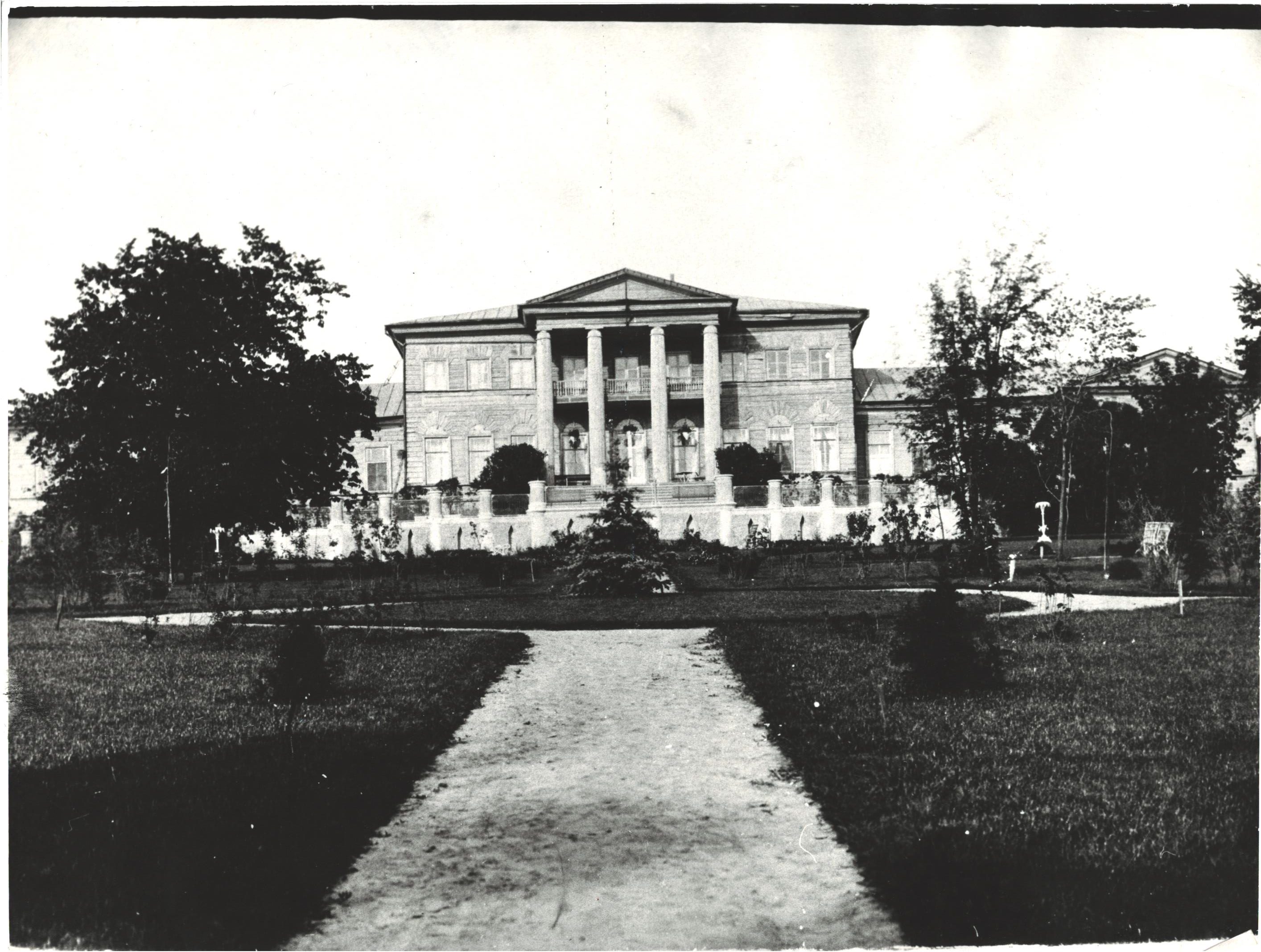
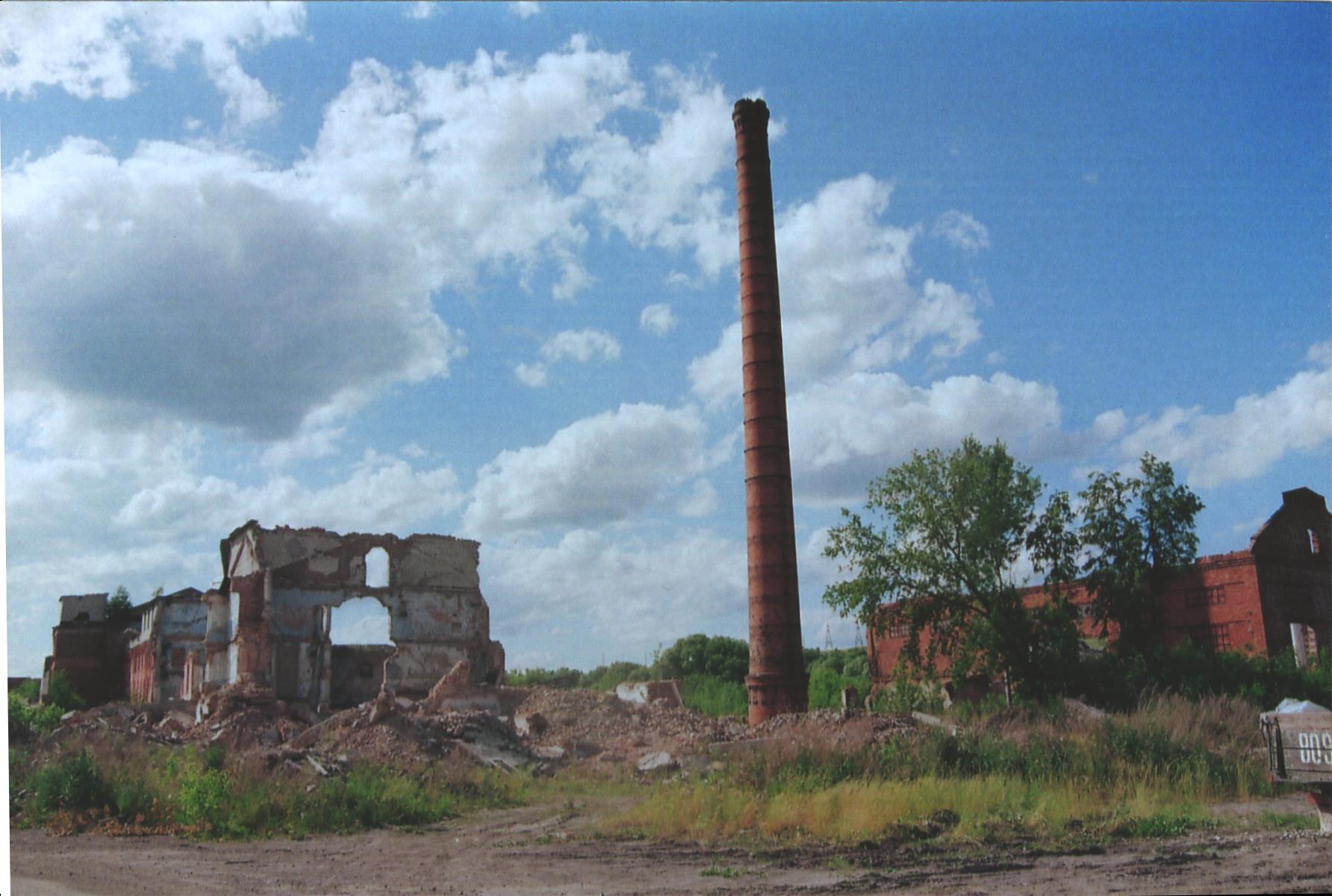
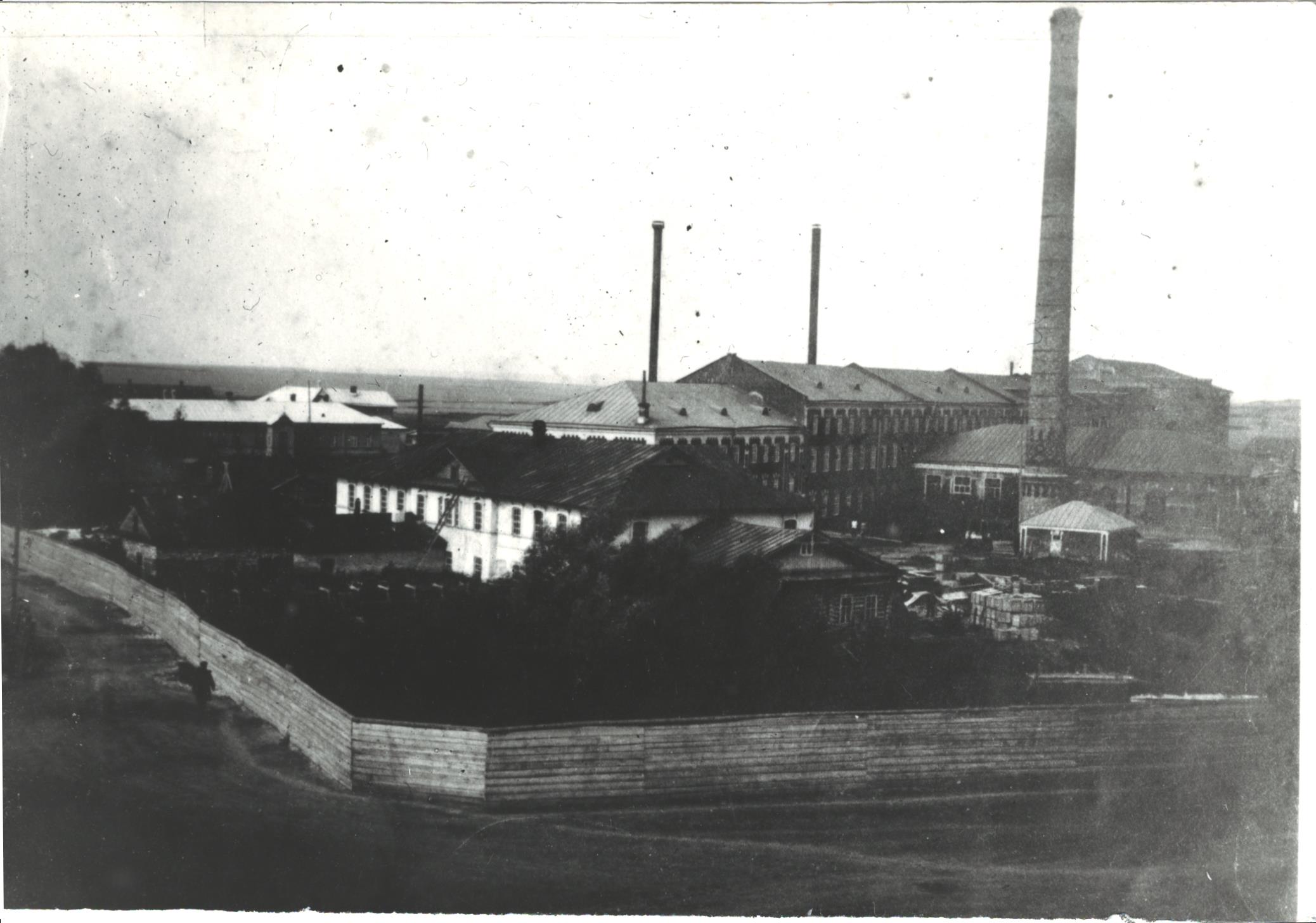
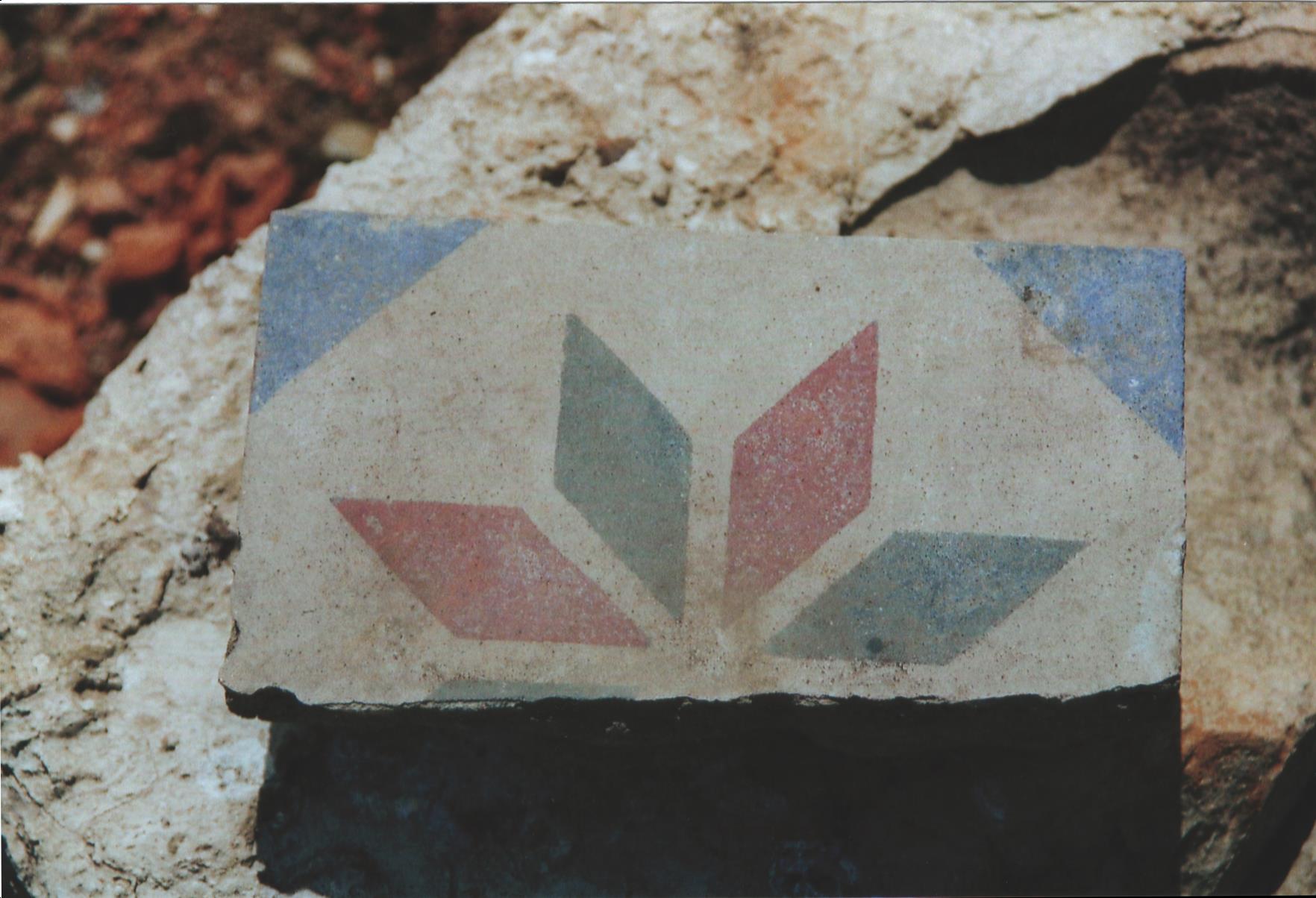
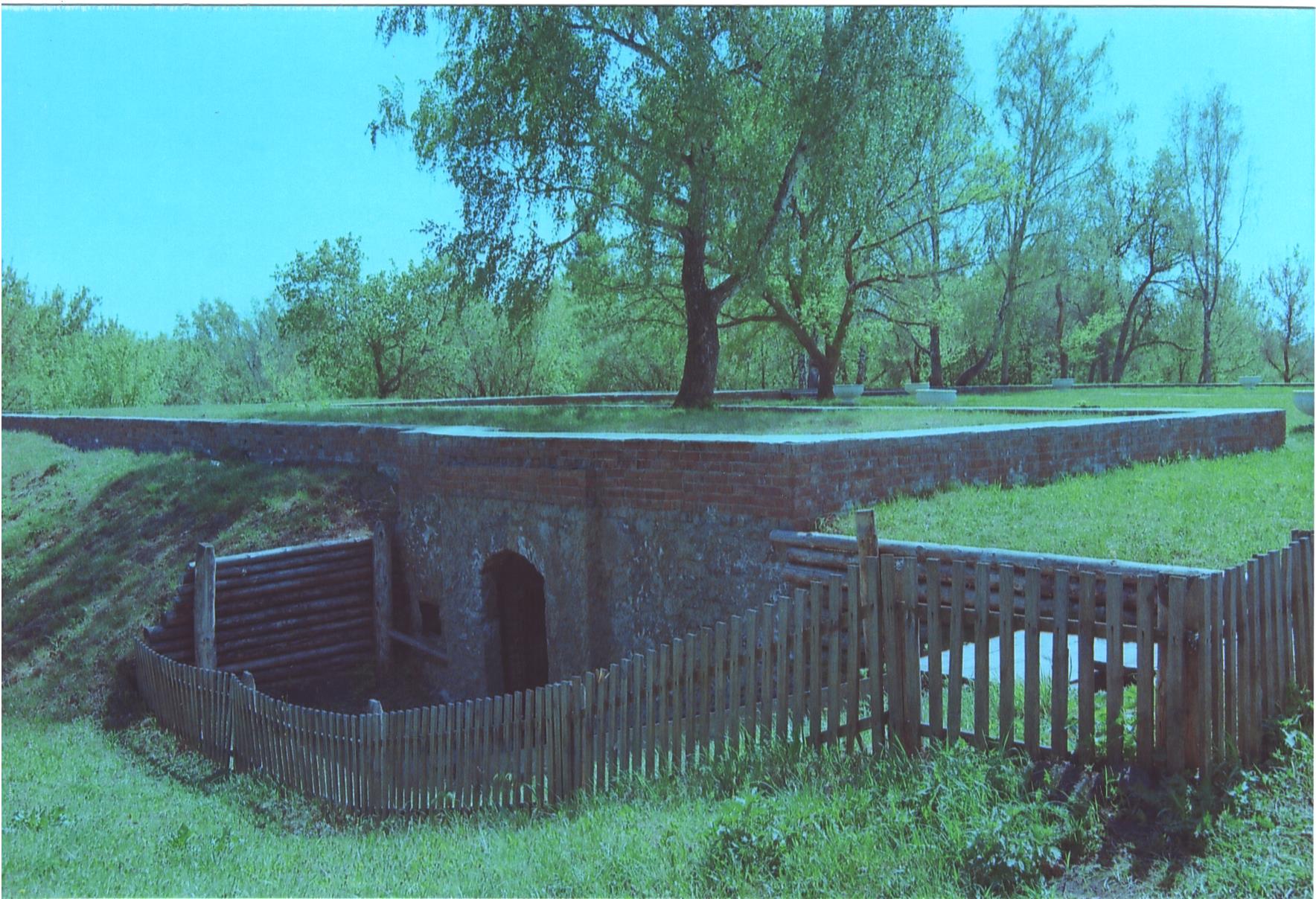
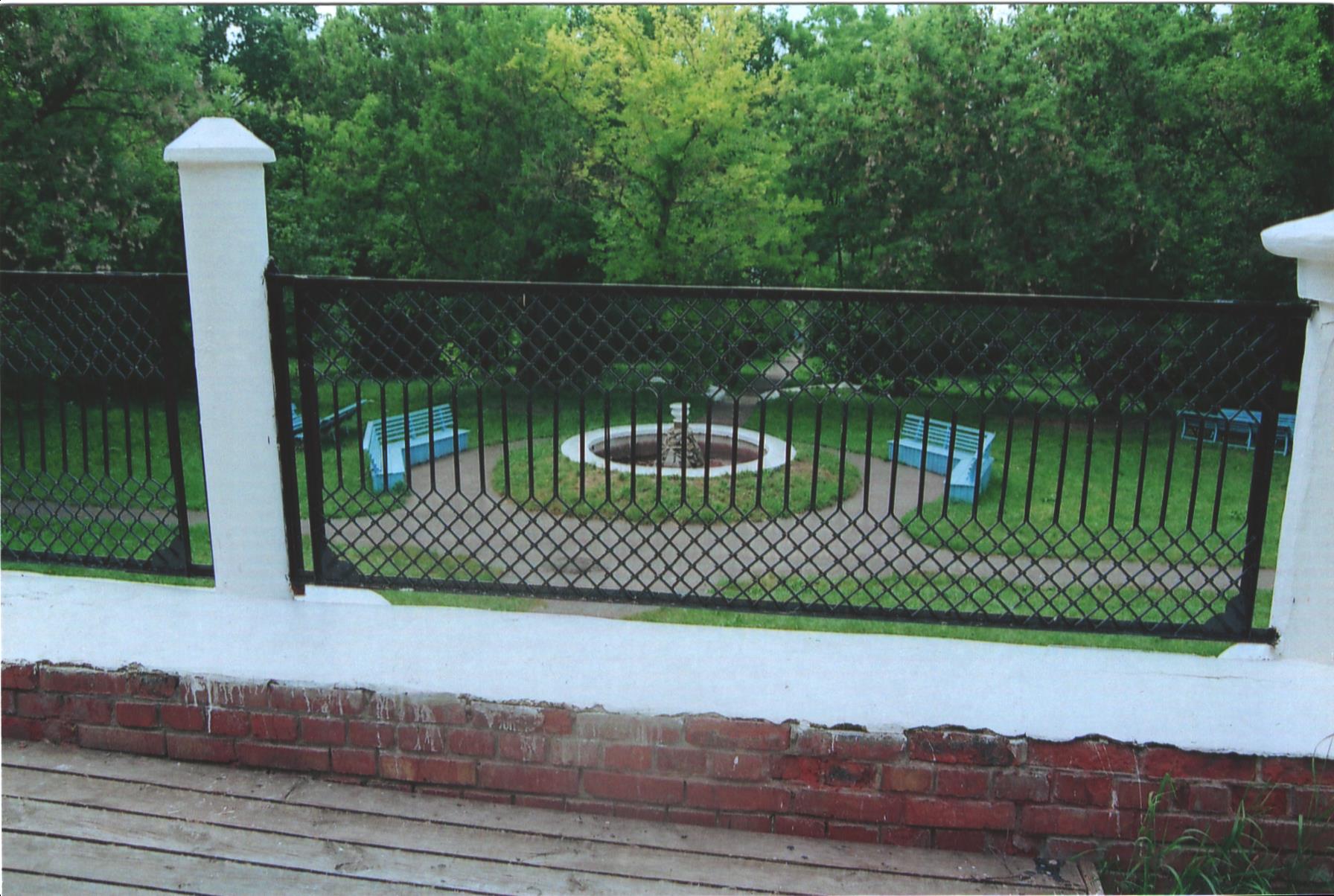
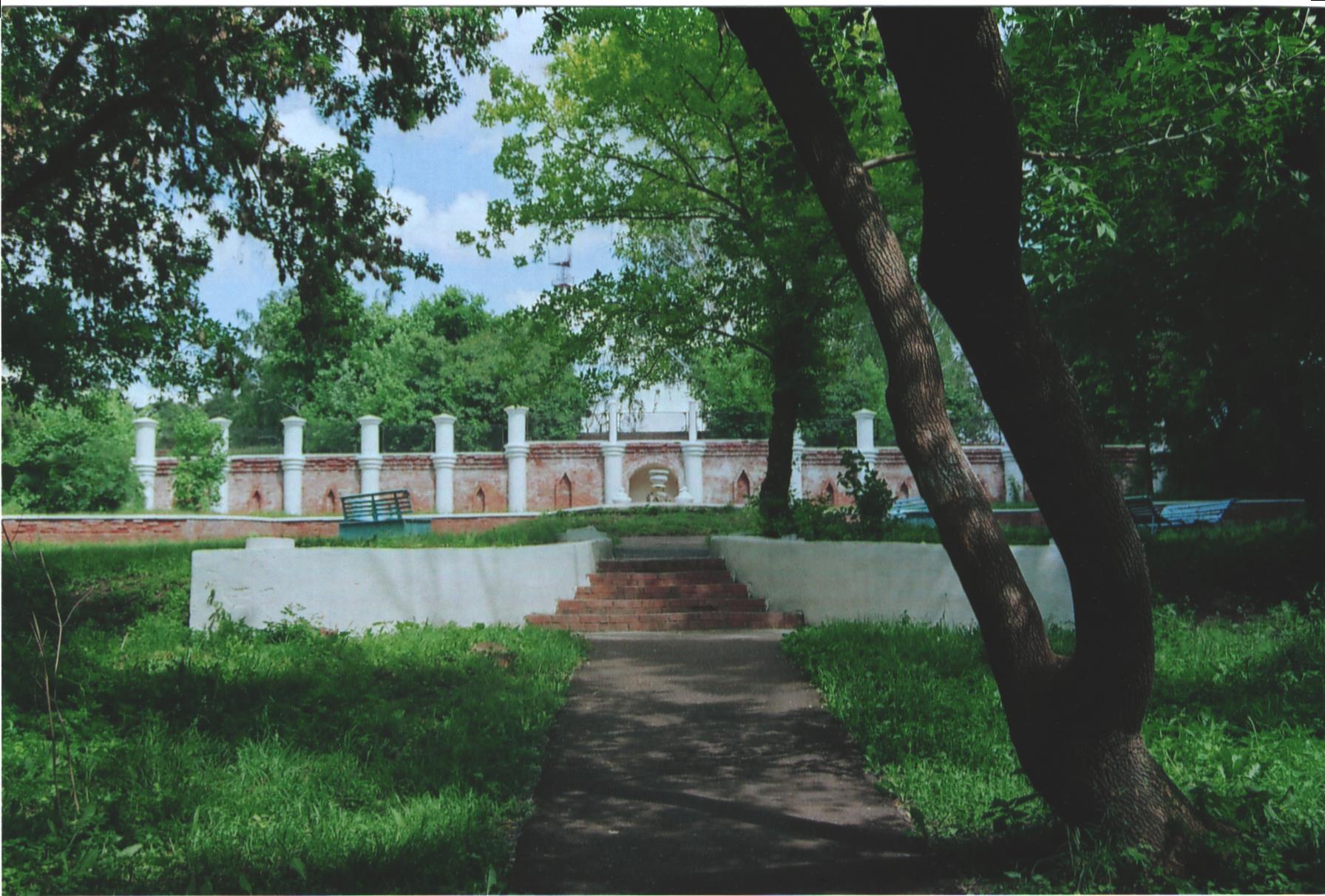
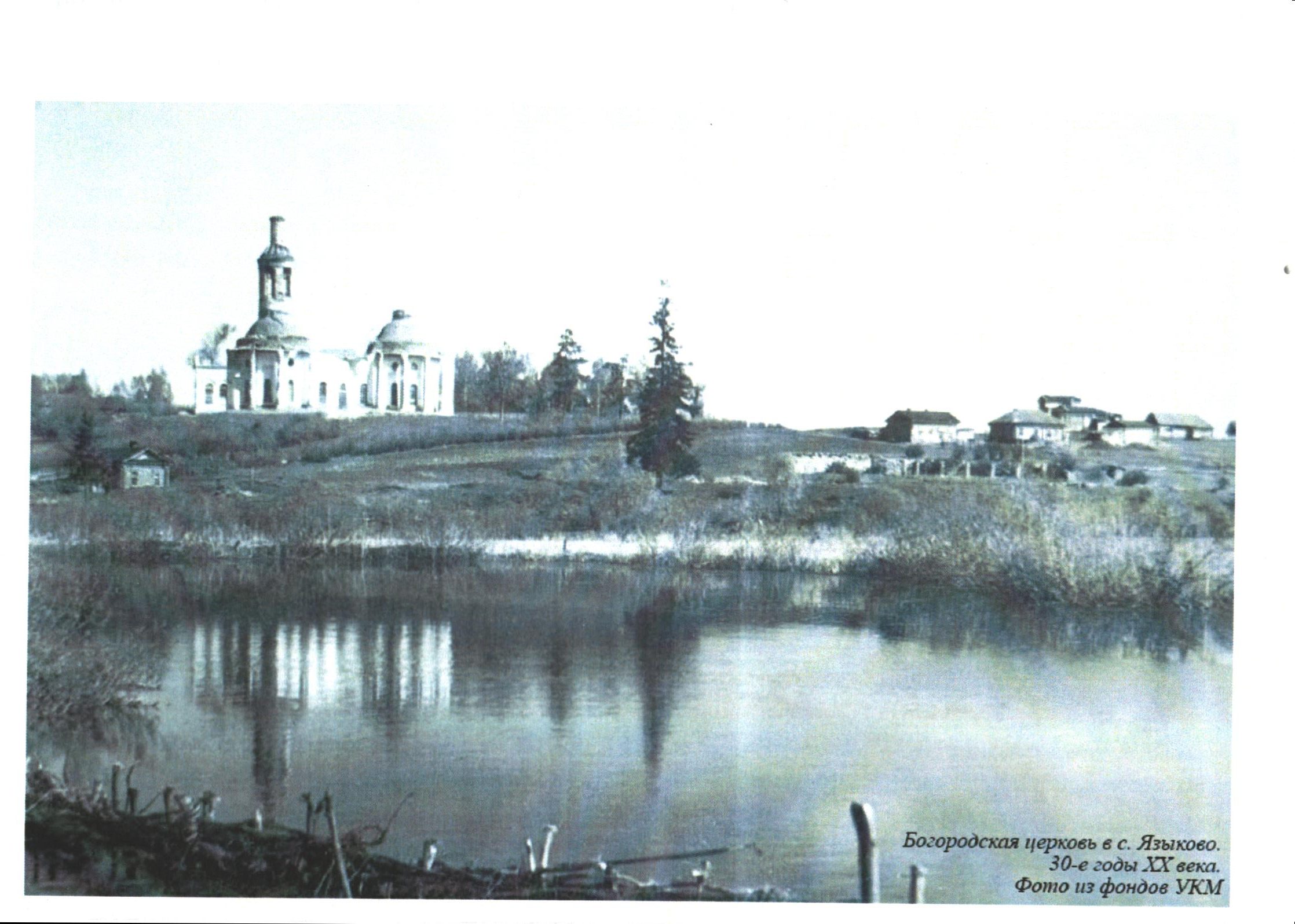
Russian noble estate of the Yazikov family, named Yazikovo Selo.
The black and white photos, taken around 1900, are of the estate mansion, the church, and the wool factory which
were part of the estate. The color photos were taken during my field work at the site. The mansion was burnt to
the ground in 1921 by the peasants during the Civil War. Today the estate is an archaeological site.
Specialties
I also specialize in the history of Simbirsk Province in Russia, focusing on the cultural history of both the
nobility and the peasants in the Middle Volga region. Other than it being cited for its most famous son,
Vladimir Ilyich Ulyanov (a.k.a. Lenin), the rich history of Simbirsk Province has been largely unknown in the
West. In my work, I trace and explain the political, economic, and cultural developments in the region, such as
Slavophilism, noble estate culture, and peasant folk culture.
Other research areas which I have focused on include examining the spiritual belief systems of a number of the
“Silver Age” artists and philosophers, such as Vladimir Soloviev, Kazimir Malevich, Vasili Kandinsky, and
Nikolai Roerich.
Pedagogical Influences
My pedagogical influences include some aspects of Structuralism, Historicism, Metaphysical History, and
Phenomenology. Therefore, I am interested in the contextual realities in historical periods, and how cultural
characteristics of various individuals, groups, and epochs persist and wane, as well as re-emerge in different
manifestations across space and over time. My approach to history is holistic in that I consider the “lifeworld”
of my subjects. That is, the environmental and cultural contexts are equal in importance to the lived
experiences of the people under study.
The Book
When Emancipation Came: The End of Enslavement on a Southern Plantation and a Russian Estate (Jefferson,
NC: McFarland and Company, Inc., Publishers, 2022)
Order on Amazon
Linked by declarations of emancipation within the same five-year period, two countries shared human rights issues
on two distinct continents. In this book, readers will find a case-study comparison of the emancipation of
Russian serfs on the Yazykovo Selo estate and American slaves at the Palmyra Plantation. Although state policies
and reactions may not follow the same paths in each area, there were striking thematic parallels. These findings
add to our understanding of what happens throughout an emancipation process in which the state grants freedom,
and therefore speaks to the universality of the human experience. Despite the political and economic differences
between the two countries, as well as their geographic and cultural distances, this book re-conceptualizes
emancipation and its aftermath in each country: from a history that treats each as a separate, self-contained
story to one with a unified, global framework.
Personal Life
I enjoy family and friends, reading, travel, nature, and cultural enrichment. Having studied and lived abroad for
ten years, I have an appreciation for, and an understanding of, diverse cultures and local particularisms. My
basic and conversant Russian language skills afford me the ability to navigate travel and conduct research in
Russia.